Recently, the opening ceremony for the practical teaching session of international students from the Ministry of Commerce (MOFCOM) Foreign Aid Degree Education Program was held at Hunan High-speed Railway Vocational and Technical College. Leaders attending the event included Yuan Shiping, Party Committee Secretary of the School of Traffic and Transportation Engineering; Huang Helai, Dean of the School; Chen Weiya, Vice Dean; and Yao Fangyuan, Dean of Hunan High-speed Railway Vocational and Technical College. According to the program arrangement, this practical teaching session will last for five days (April 21 to 25). Twenty-four international students from countries such as Rwanda, Ethiopia, and Laos will immerse themselves in the entire process of China’s railway technology talent cultivation.
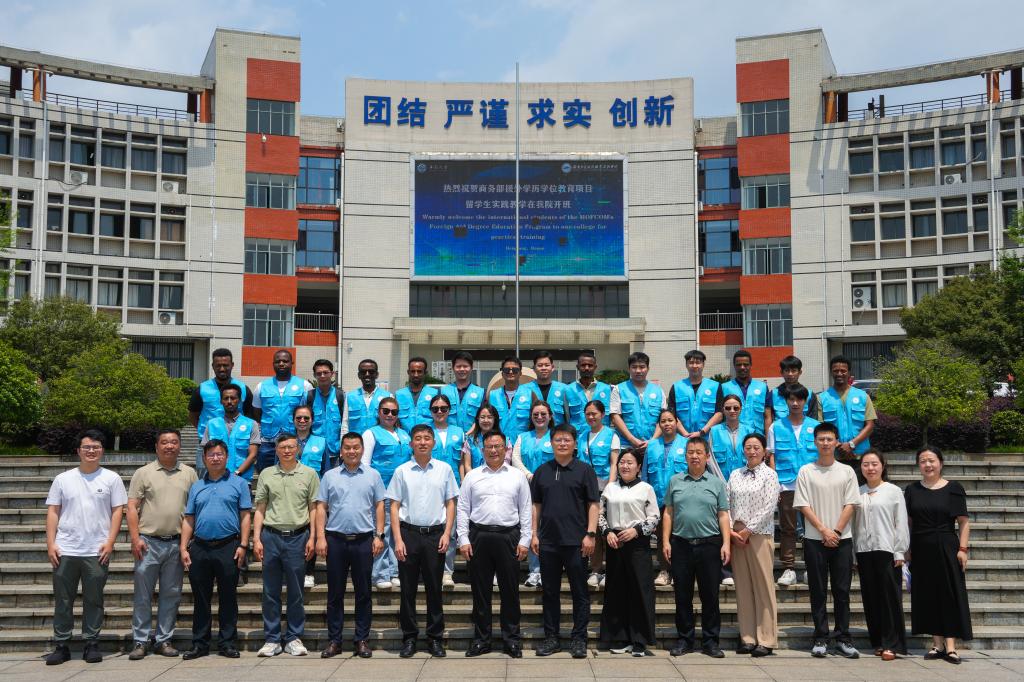
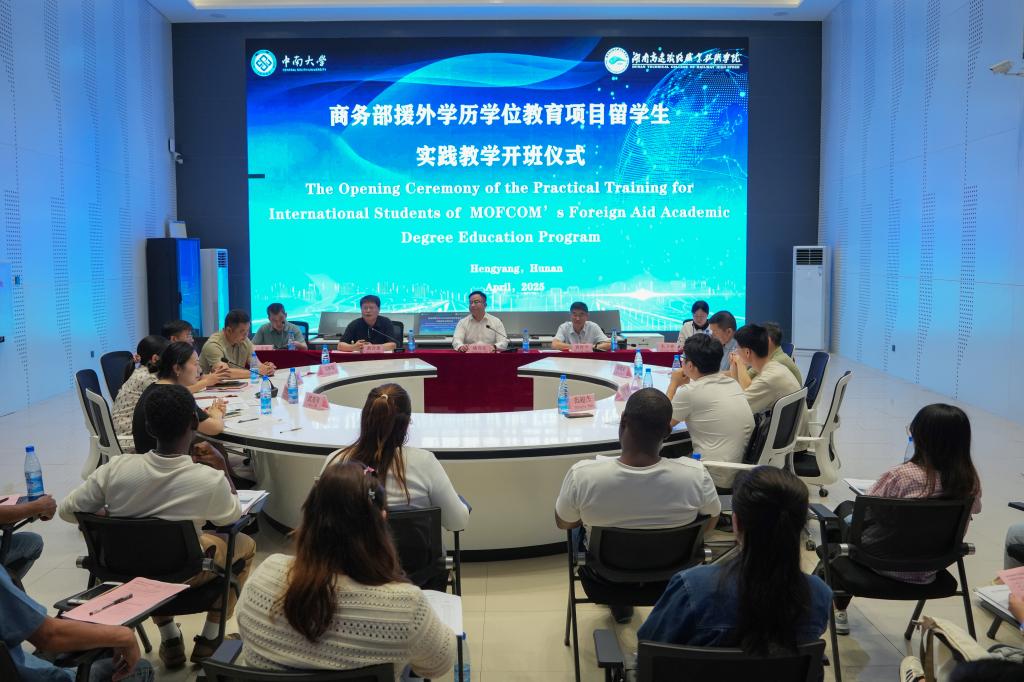
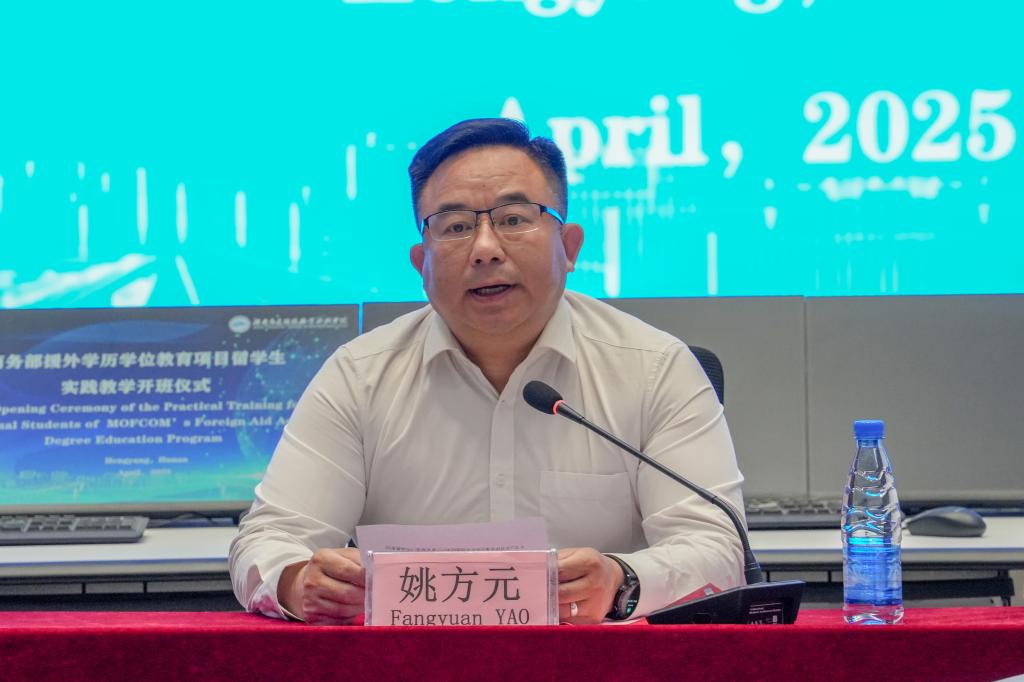
In his welcome speech, Dean Yao Fangyuan extended a warm welcome to all participants and highlighted the teaching characteristics and resource advantages formed by the college through its reliance on the rail transit industry. He encouraged the international students not only to advance their professional railway skills but also to build cross-national friendships with their peers. He expressed hope that they would bring China’s technical standards, vocational education teaching models, and cultural exchange experiences back to their respective countries in the future, thereby building bridges for international cooperation.
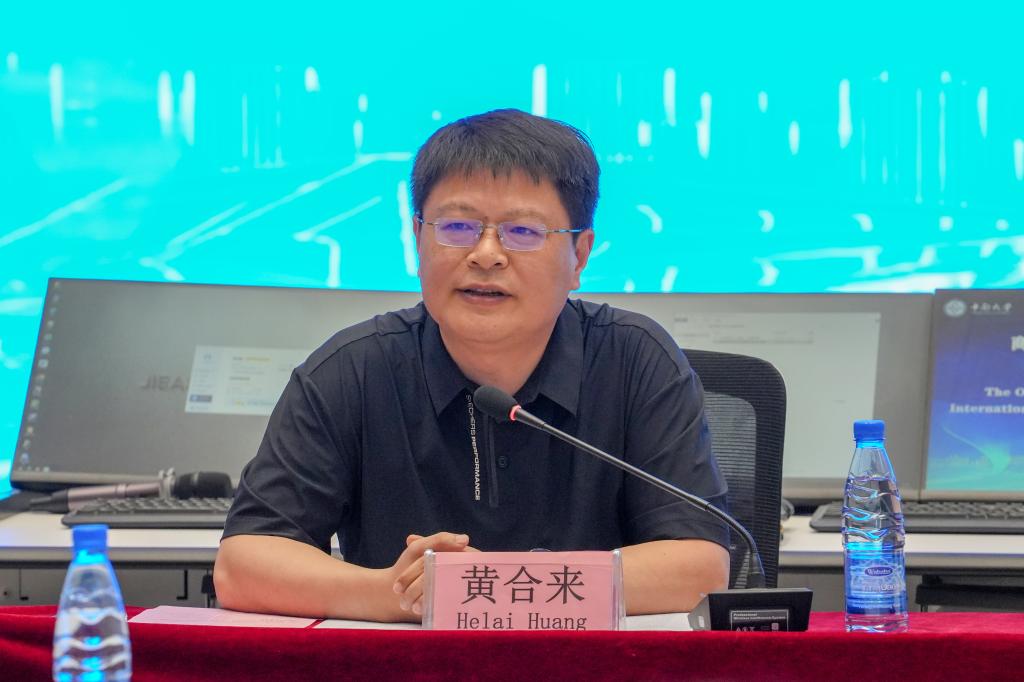
In his address, Dean Huang Helai emphasized, “As students of the international class who are about to graduate, you will shoulder the important mission of your country’s railway modernization.” He put forward three expectations: first, to deeply understand China’s high-speed railway technical standards and management paradigms; second, to focus on mastering core technologies such as traction and braking systems, and the operation and maintenance of passenger transport hubs; third, to build technical exchange bridges in the field of rail transit between China and foreign countries. He also expressed gratitude to Hunan High-speed Railway Vocational and Technical College for equipping the practical teaching program with advanced training facilities.
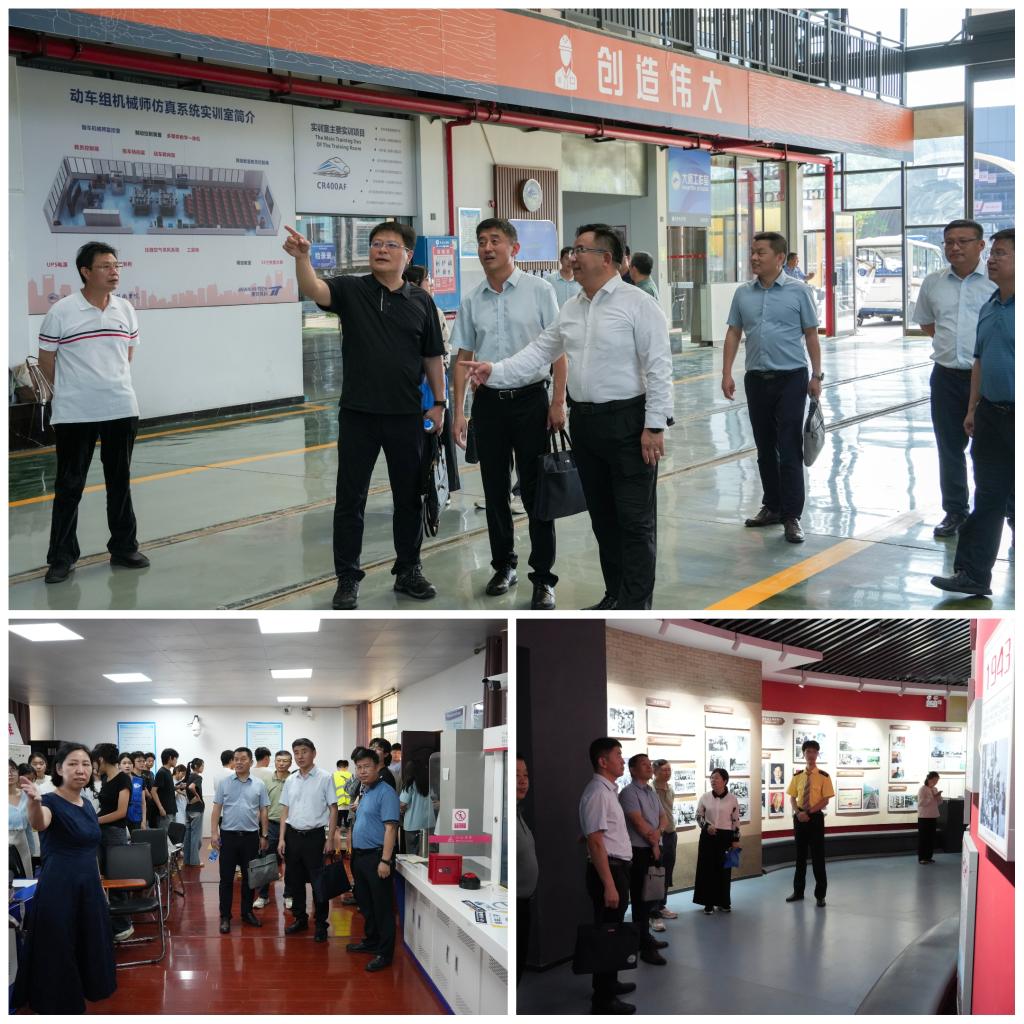
After the ceremony, Party Committee Secretary Yuan Shiping, Dean Huang Helai, and their delegation conducted an on-site inspection of the comprehensive training base at the vocational college. They observed teaching sessions on courses such as track signal control and vehicle maintenance, and visited the college’s history museum.
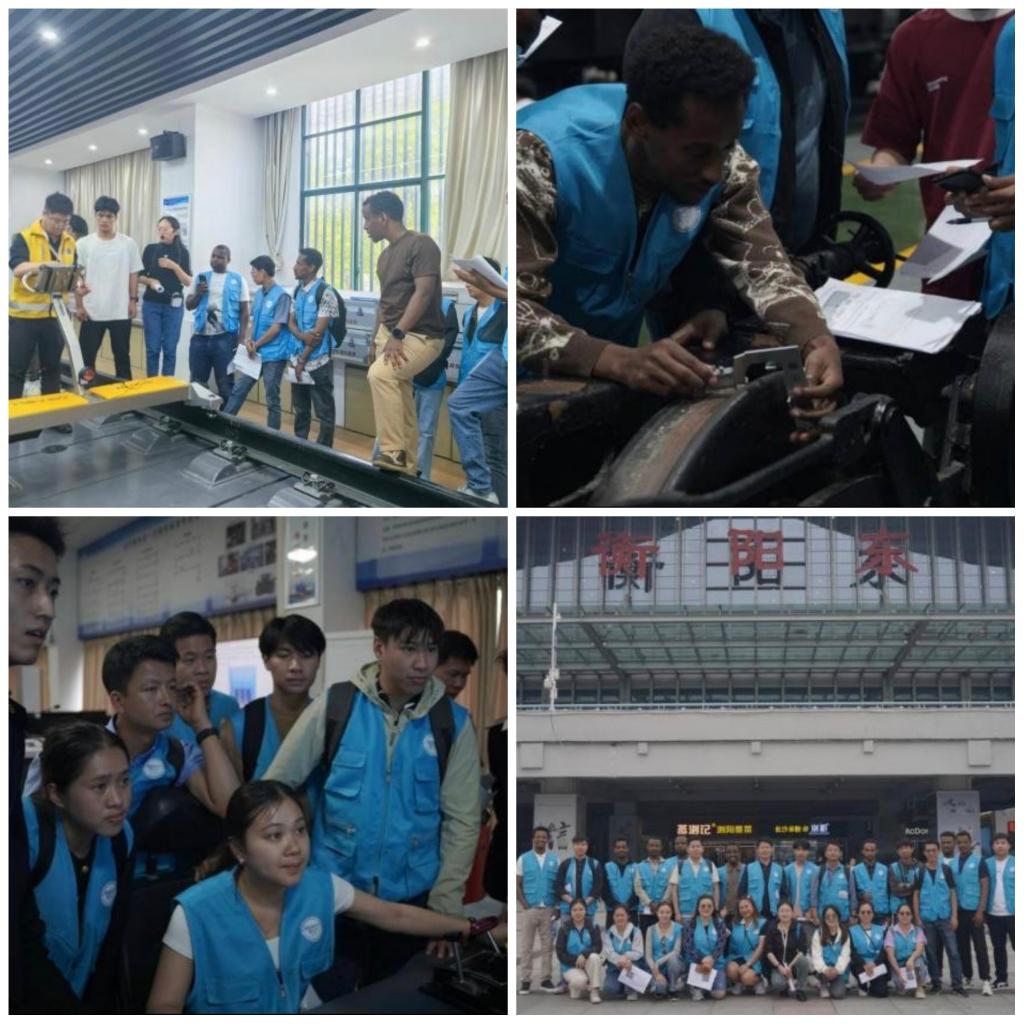
On the afternoon of the first day of the program, the international students embarked on intensive practical training. Under the guidance of instructors, the students conducted track measurement operations in groups. “The horizontal error must be controlled within 2 millimeters,” said Anbei from Ethiopia, focusing intently on adjusting the measuring instrument. “China’s high-speed railway standards have left a deep impression on me.” In the vehicle maintenance class, students took turns inspecting each component. “Touching these precise parts with my own hands is much more intuitive than the diagrams in textbooks!” exclaimed Ying Ping, a student from Laos. In front of the locomotive driving simulator, Ying Songfang from Laos was already able to skillfully complete the startup procedure, stating, “I want to bring back every detail taught by the Chinese instructors to my hometown.”
The practical teaching of the Foreign Aid Degree Education Program is not only aimed at cultivating high-end international talent but also serves as an important measure in supporting the country’s internationalization strategy and the Belt and Road Initiative. The School will take this practical teaching session as an opportunity to further deepen cooperation with the vocational college, jointly promote the development of the Foreign Aid Degree Education Program to a higher level and deeper extent, and contribute wisdom and strength to cultivating more outstanding international business talent, supporting the country’s opening-up strategy, and building a community with a shared future for mankind.
First Review: Yuanyuhao Wang Second Review: Lingling Ying Third Review: Shiping Yuan