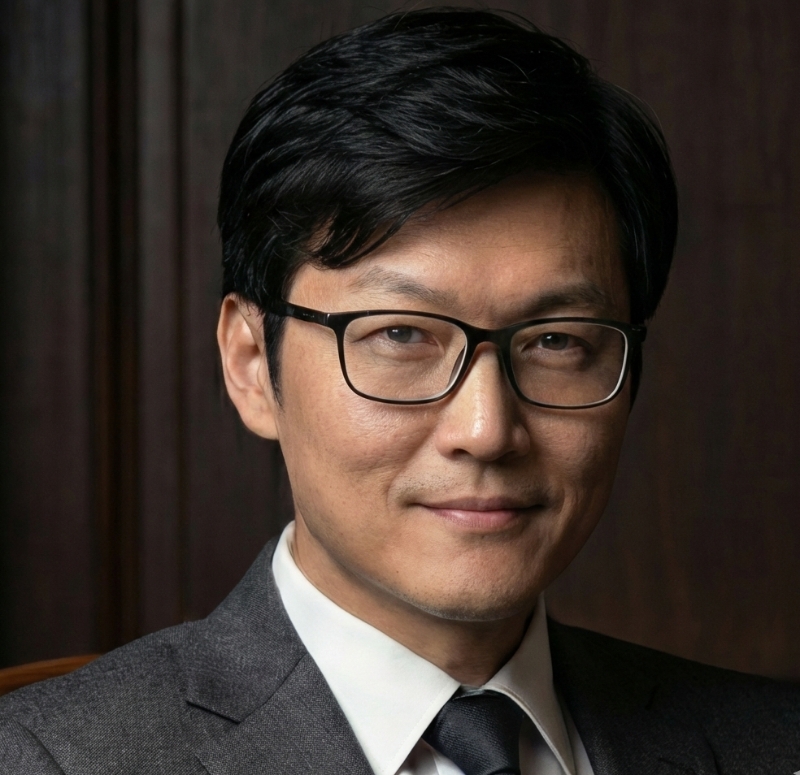
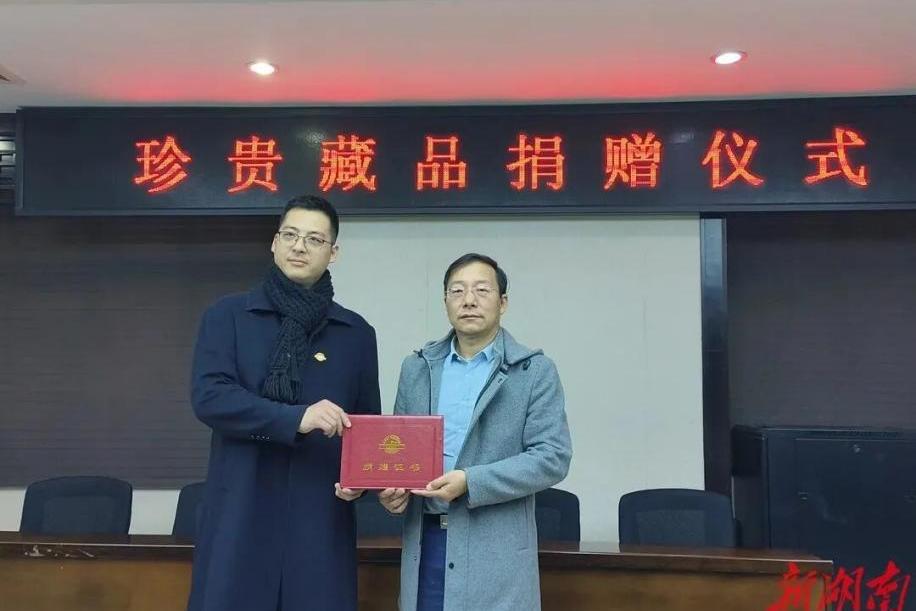
On January 27, 104 items of physical evidence of Japanese aggression against China donated by Mao Chenghui, a faculty member of the School of Traffic & Transportation Engineering, Central South University, were officially collected by the Changsha Party History Museum.
On September 22, 2025, a representative of the Changsha History Museum of the Communist Party of China traveled specially to Central South University’s Tianxin Campus to receive nearly 100 items of physical evidence of Japanese aggression against China donated by Mao Chenghui. After expert appraisal, 103 of the donated items were identified as state-owned cultural relics, and one item was classified as archival material.
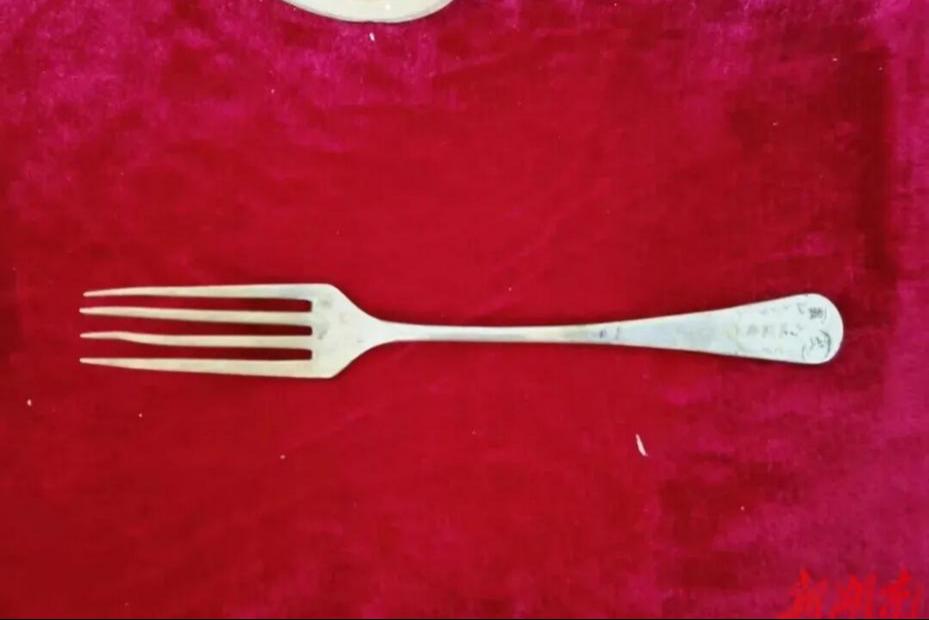
The collection includes valuable objects such as a Western-style fork engraved with the words“Commemoration of Entering Wuhan.”These items were collected with great effort by Mao Chenghui during his overseas academic visits and travels. The donation ceremony was held on January 27, 2026.
Speaking about his original intention in making the donation, Mao said,“My purpose is to make it possible for these cultural relics to be exhibited and seen by the public as much as possible, so as to present the true history to the public and carry forward the national spirit of cherishing peace.”
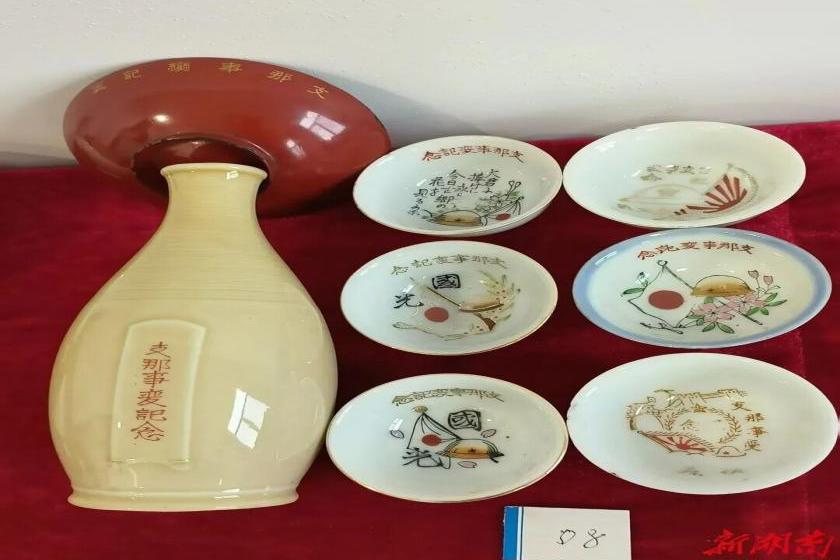
In December 2025, following appraisal by provincial and municipal cultural relics experts, 103 of the 104 items were identified as state-owned cultural relics, while one item was classified as archival material. Peng Ya’ou, Deputy Director of the Changsha Party History Museum, said,“As a next step, we plan to establish archival records for these state-owned cultural relics and further uncover their identities and the stories behind them.”
The Changsha Party History Museum completed the formal procedures for the donor and presented him with a certificate of honor. Peng Ya’ou emphasized,“The greatest significance of cultural relics lies in how they are brought to life and fully utilized to bring out their historical value. The museum will launch related exhibitions and exchange activities in the future so that these relics can meet the public as much as possible.”
This donation is not only an important example of a faculty member of the school participating in the preservation of history and serving society through concrete action, but also provides valuable physical materials for patriotic education and for strengthening historical memory. The school will continue to support its faculty and students in actively contributing to causes that benefit national development and social progress.
First Review:Yitong Hou Second Review: Shangjun Wang Third Review:Yuan Li