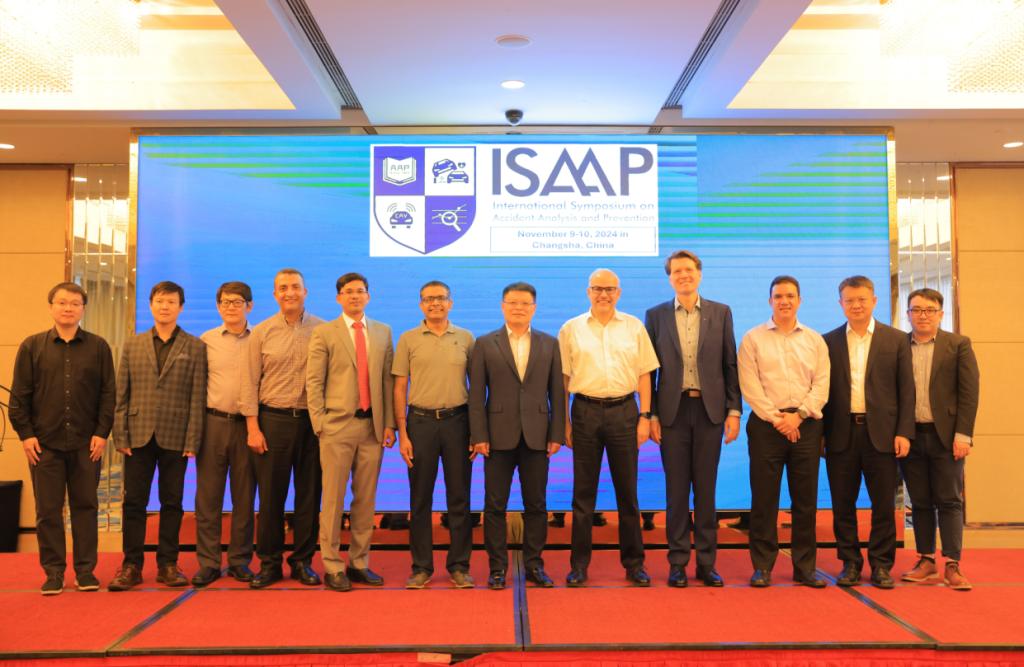
From November 9 to 10, the 2024 International Symposium on Accident Analysis and Prevention (ISAAP), jointly organized by Central South University and the Hunan Provincial Society of Traffic Engineering, was held at the Modern Huatian Hotel in Changsha. Attendees included Huang Helai, Dean of the School of Traffic and Transportation Engineering at Central South University; Mohamed Abdel-Aty from the University of Central Florida; Jaeyoung Lee from Central South University; Shimul Haque from Queensland University of Technology, Australia; Wang Xuesong from Tongji University; Tony Sze from The Hong Kong Polytechnic University; Zhou Hanchu from Central South University; Constantinos Antoniou from the Technical University of Munich; Xie Yuanchang from the University of Massachusetts Lowell; Anurag Pande from California Polytechnic State University; Hany Hassan from Louisiana State University; Mohamed Ahmed from the University of Cincinnati; and over a hundred faculty and student representatives. The symposium was chaired by Jaeyoung Lee from Central South University.
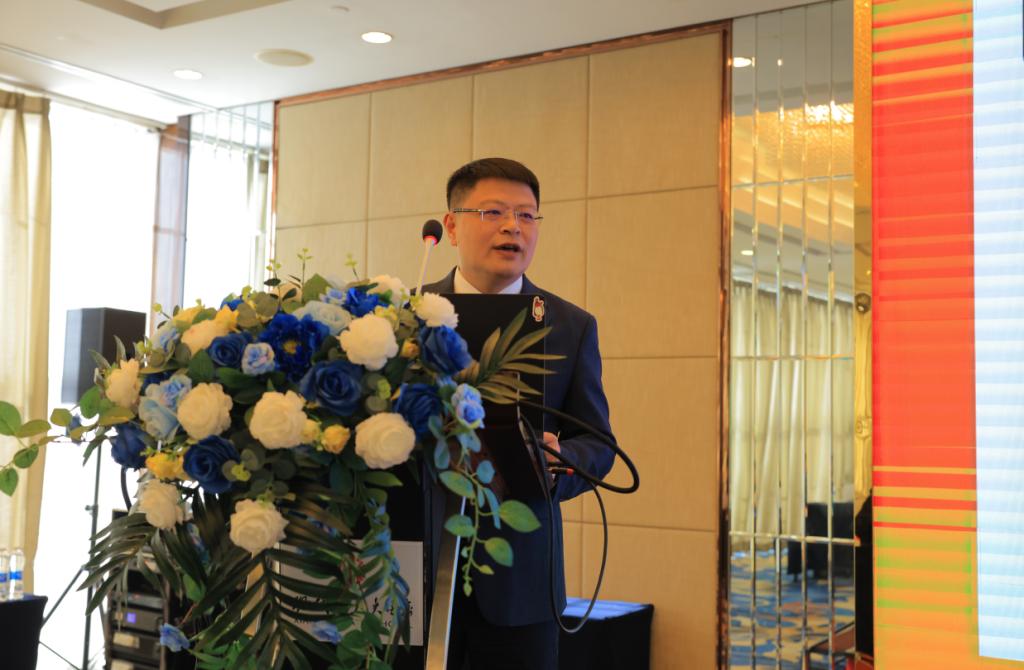
Dean Huang Helai delivered the opening address and led discussions on the history of previous conferences and the journal, the basic situation of the journal, future research trends, and areas for improvement. He mentioned that future directions will primarily focus on pre-accident prevention to reduce accident occurrence, using technological means to mitigate accident severity, and effective life preservation and improvement of the driving environment post-accident. He also outlined corresponding requirements for the journal’s review speed, article quality, and impact factor.
Jaeyoung Lee discussed the development of China’s Intelligent Transportation Systems; Mohamed Abdel-Aty introduced a short-term accident prediction model considering ATM strategies; Shimul Haque presented on real-time collision risk prediction using traffic conflict techniques integrated with AI and econometric models; Wang Xuesong introduced safety analysis for autonomous vehicles; Tony Sze discussed the safety of multi-faceted non-motorized transportation modes; Zhou Hanchu elaborated on the application of large language models in traffic safety; Constantinos Antoniou described advancements in machine learning and data science for road safety; Xie Yuanchang discussed shaping the future of safety research using artificial intelligence and advanced sensing technologies; Anurag Pande led a discussion on data-driven assessment and future decision-making research in the transportation field; Hany Hassan explored preventive measures to reduce pedestrian accidents on high-speed arterials; Mohamed Ahmed presented research on utilizing artificial intelligence to enhance traffic safety.
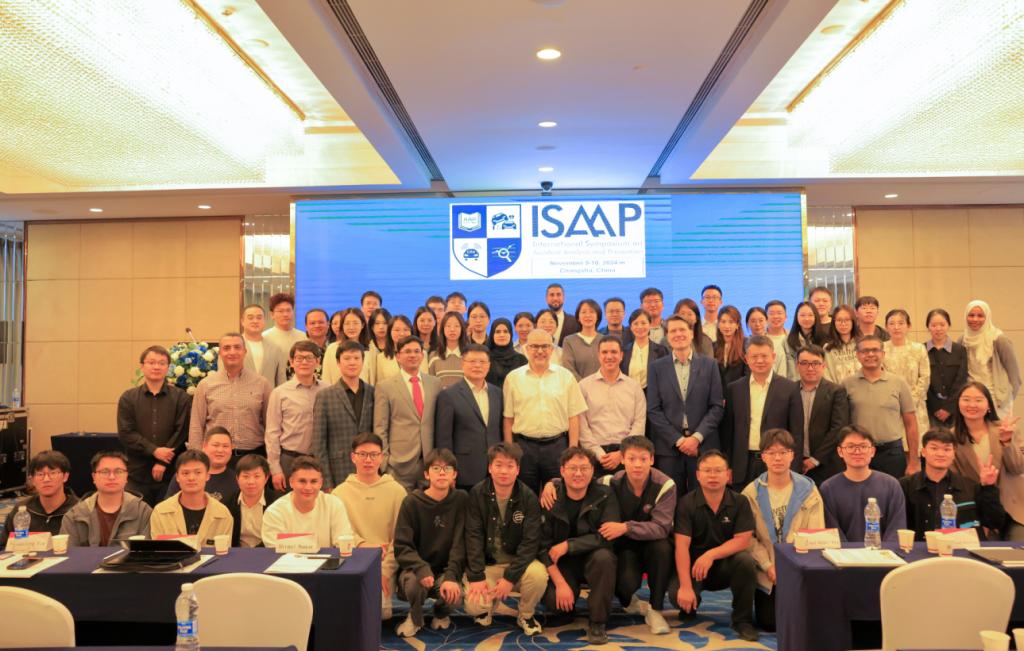
During this symposium, faculty and student representatives from the School engaged in in-depth academic exchanges and discussions with the experts, actively exploring future directions for traffic safety research and areas requiring improvement.
First Review: Yi Yang Second Review: Shangjun Wang Third Review: Zaining Li